Peach Prime Consultancy is a theme park design company in India providing specialist theme park design and planning services for investors, developers, government bodies, and hospitality groups planning new theme park developments or expanding existing leisure destinations. As a theme park design consultant working across India, Asia, and global markets worldwide, we cover the full scope of theme park consultancy from initial feasibility and concept development through to master planning, zone design, ride selection, visitor flow planning, food and beverage integration, and execution advisory.
A theme park is one of the most complex entertainment destination typologies to plan and execute successfully. It requires the simultaneous management of narrative coherence, visitor throughput, safety compliance, operational logistics, capital investment optimisation, and long term commercial performance. Peach Prime approaches theme park design with all of these dimensions working together from the earliest planning stage, ensuring the destination is built not just to open, but to perform and sustain visitor demand year after year. This is the design discipline the company applies to every theme park project in India and worldwide.
What Does Theme Park Design Consultancy Cover?
Theme park design consultancy is the professional planning and design service that takes a theme park project from concept to construction ready documentation. It covers the development of the park’s narrative theme, the selection and placement of rides and attractions, the design of themed zones and guest circulation routes, the integration of food and beverage facilities, the specification of technology systems, and the production of design documents that enable the appointment of architects, engineers, and contractors. As an experienced theme park design consultant in India, Peach Prime brings this full scope under a single accountable team.
Unlike standard commercial or residential development, theme park design requires specific expertise in visitor psychology, attraction throughput modelling, themed environment creation, crowd management, and the integration of mechanical ride systems with themed architectural environments. A theme park that is poorly planned at the concept and master planning stage will face problems that cannot be corrected cheaply once construction has begun: zones that are too small for peak visitor volumes, attractions positioned in ways that create chronic queuing conflicts, themed environments that do not cohere into a convincing narrative world, and food, beverage, and retail placements that fail to intercept visitor flow at the right moments.
Peach Prime provides theme park design consultancy for projects across a range of scales, from compact indoor theme parks of 20,000 square feet within mixed use developments, to multi acre outdoor theme parks with multiple themed zones, anchor thrill rides, and integrated resort components. The design principles and planning discipline are consistent across all scales; what changes is the complexity of the attraction mix and the operational infrastructure required.
Our Theme Park Design Services
Peach Prime delivers theme park design across five core service areas. These are typically engaged as a sequential process beginning with feasibility and concept, but individual components can be commissioned for projects already in progress. Each service below links to a dedicated page so you can explore the design discipline in detail.
Theme Development | We develop the narrative theme concept for the park, defining the overarching story world, the character of each themed zone, the visual vocabulary of the environment, and the guest experience journey from park entry to exit. Theme development is the creative foundation from which all spatial, attraction, and operational decisions follow. A coherent theme narrative is what distinguishes a memorable theme park from a collection of rides placed in a field. |
Ride Selection | We advise on ride and attraction selection based on the target visitor demographic, available land area, capital investment budget, operational staffing implications, and thematic fit with the park concept. Ride selection covers thrill rides, family rides, dark rides, water rides, kids rides, and soft play areas. We prepare a ride mix recommendation with capacity analysis, showing how the selected amusement ride mix will manage visitor throughput across the park at different occupancy levels. |
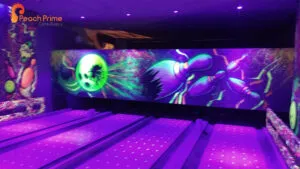
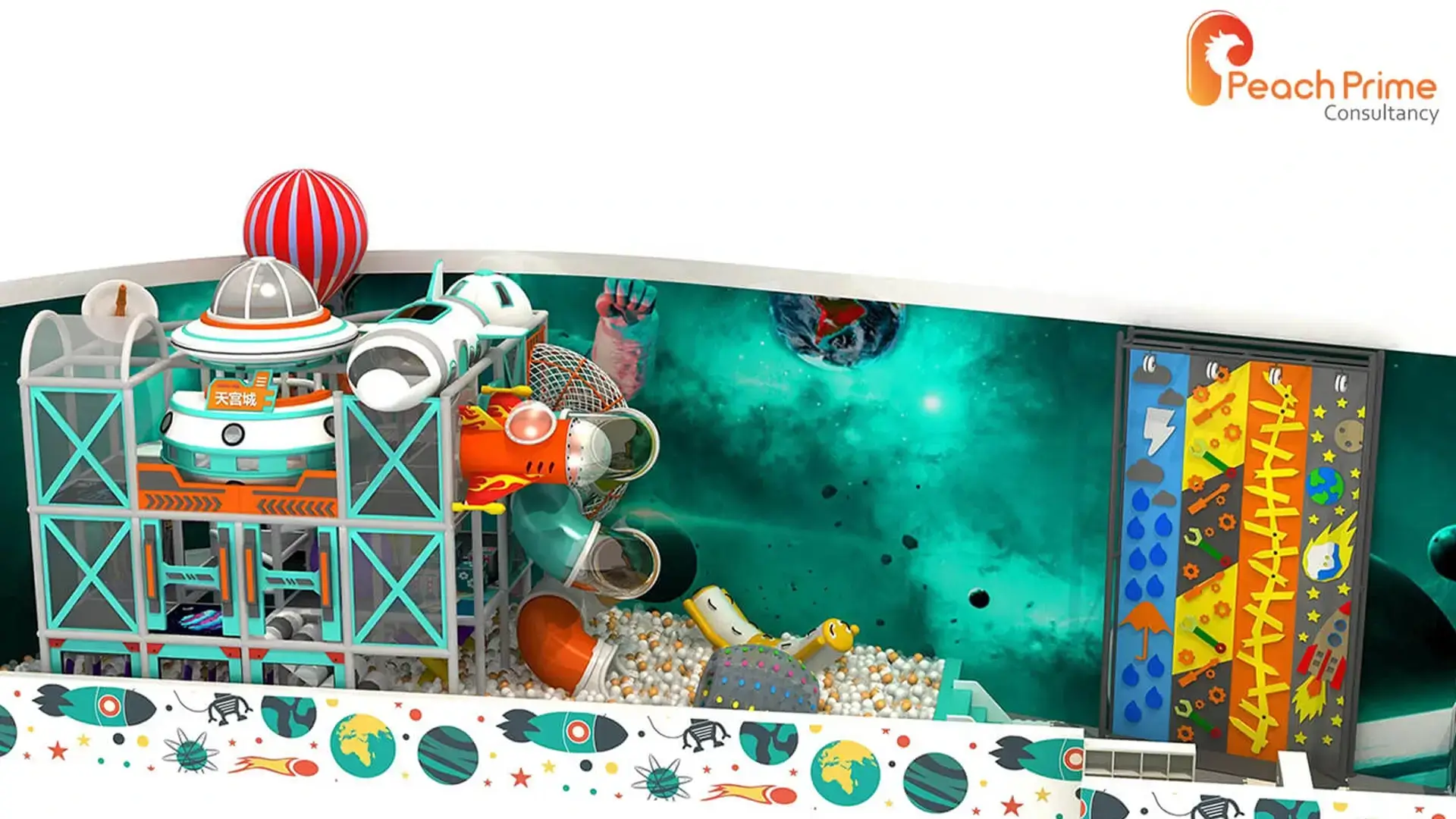
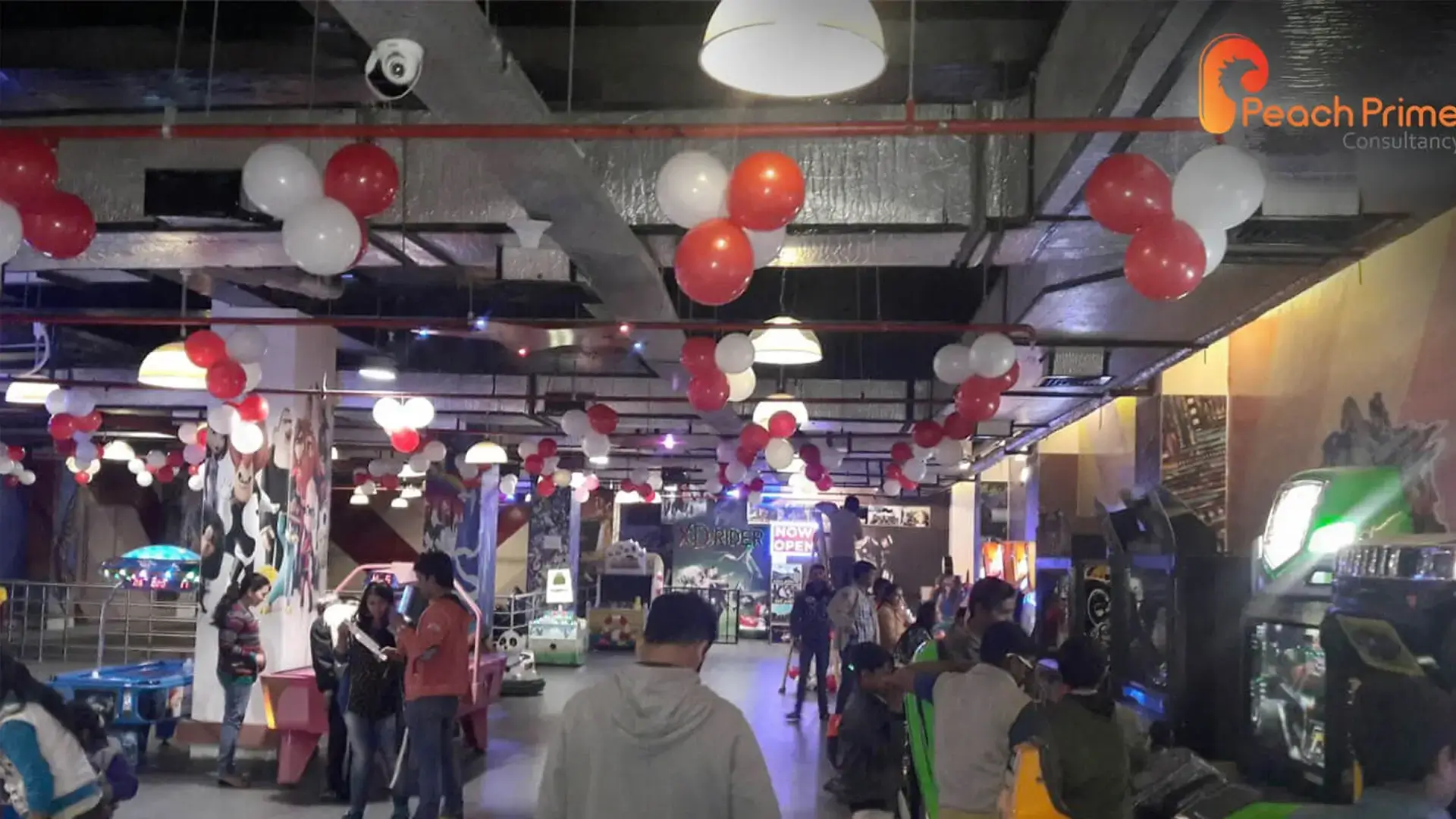
Indoor Entertainment Design | Many theme parks incorporate indoor entertainment zones covering family entertainment centre style activities, interactive experiences, arcade areas, immersive attractions, and soft play environments. We design these indoor zones as integrated components of the theme park, ensuring they carry the park’s thematic identity and contribute to the overall visitor dwell time and secondary revenue targets. |
Visitor Flow Planning | Visitor flow planning for a theme park involves designing the movement of guests from park entry through all zones and back to exit, minimising congestion at peak times, maximising exposure to secondary revenue touchpoints, and creating a sequenced visitor experience rather than a chaotic crowd dynamic. We model visitor flow at multiple occupancy scenarios and use the modelling outputs to inform zone sizing, pathway widths, queuing system design, and attraction placement. |
Food and Beverage Planning | Food and beverage planning for a theme park covers the number, type, size, and positioning of all outlets across the park. We calculate demand at peak occupancy, determine the outlet mix between quick service, casual dining, kiosks, and themed restaurants, position outlets to intercept visitor flow at natural pause points, and specify the back of house infrastructure required to serve each outlet efficiently. Food and beverage revenue typically represents 25 to 40 percent of total theme park revenue and is heavily influenced by the quality of this planning. |
How Peach Prime Plans and Designs a Theme Park
Our theme park design process is structured across six phases that take the project from investment validation through to construction ready documentation. Each phase has defined outputs and client approval gates, ensuring no phase begins until the previous one is fully resolved. This methodology is applied consistently for every client of the company, in India and worldwide.
Phase | What We Deliver |
Phase 1: Feasibility and Investment Validation | We assess the site, catchment population, competitive landscape, target visitor demographics, and required investment to determine whether the proposed theme park concept is commercially viable. We produce a feasibility report with footfall projections, capital expenditure estimates, revenue modelling, and return metrics. This phase either validates the investment decision or identifies the concept and scale adjustments needed to make it viable before design work begins. |
Phase 2: Theme Concept and Zone Structure | We develop the narrative theme concept and zone structure for the park. Each zone is defined with its thematic character, target visitor demographic, attraction category mix, and position within the overall park narrative journey. The zone structure document is the creative and spatial brief from which all subsequent design work proceeds. |
Phase 3: Master Planning and Visitor Flow | We produce the park master plan, positioning all zones, attractions, pathways, food and beverage outlets, retail areas, guest services, back of house access, car parking, and infrastructure within the site. Visitor flow is modelled across multiple occupancy scenarios. The master plan is presented with zone allocation drawings, visitor flow diagrams, and infrastructure layout plans. |
Phase 4: Attraction Mix and Ride Selection | We prepare the detailed attraction mix recommendation covering all rides, interactive attractions, shows, and entertainment experiences within the park. Each attraction is specified with capacity per hour, space requirements, theming brief, budget range, vendor options, and operational staffing requirements. Capacity analysis confirms the attraction mix can manage visitor volumes at the projected occupancy levels. |
Phase 5: Detailed Zone and F&B Design | We produce detailed design for each zone including themed environment specifications, architectural character guidelines, landscape and hardscape design intent, food and beverage outlet sizing and positioning, retail placement, wayfinding system, and signage design brief. This documentation is used to brief the architectural and landscape design teams appointed for construction drawing production. |
Phase 6: Tender Support and Execution Advisory | We prepare tender documentation for civil construction, themed environment fabrication, ride installation, and technology systems. We support the client in evaluating contractor bids, appointing vendors, and managing design intent during the construction phase. We provide site review visits and design clarification responses throughout the execution phase until the park is ready for opening. |
Types of Theme Park Projects We Work On in India and Worldwide
As a full service theme park design company, Peach Prime works on a broad range of theme park typologies for clients across India, Asia, and global destinations worldwide:
- Outdoor multi acre theme parks with multiple themed zones, thrill rides, family rides, and integrated food, beverage, and retail
- Indoor theme parks within mall or mixed use developments combining rides, soft play, themed environments, and family entertainment centre style attractions
- Family theme parks focused on younger visitors aged 3 to 12 with rides, interactive zones, and character themed environments
- Adventure and thrill parks combining theme park attractions with high energy physical activities
- Cultural and heritage theme parks built around historical, mythological, or regional narrative themes
- Seasonal and pop up theme park experiences including holiday themed attractions and temporary entertainment destinations
- Resort integrated theme parks developed as the anchor leisure component of a broader hospitality and accommodation destination, often alongside a water park
- Expansions and redevelopments of existing theme parks adding new zones, attractions, or operational improvements
Why Choose Peach Prime Consultancy for Theme Park Design?
Feasibility and design as a continuum: Many theme park projects fail not because of poor design but because the design was never connected to a rigorous commercial foundation. Peach Prime integrates feasibility analysis and design planning into a single continuum, ensuring the theme, attraction mix, zone sizes, and food and beverage placements in the design are directly traceable to the visitor projections and revenue assumptions in the financial model.
Attraction throughput built into the layout: The most common operational problem in poorly planned theme parks is chronic queuing at a small number of bottleneck attractions. We address this at the design stage through capacity analysis of the attraction mix and visitor flow modelling that identifies and resolves throughput constraints before the park is built.
Theme narrative applied at every scale: A compelling theme park narrative must operate at the scale of the whole park, the individual zone, and the individual attraction. Peach Prime develops theme guidelines that work at all three scales, ensuring the themed environment feels coherent and immersive throughout the park rather than only at the main entry plaza.
Food, beverage, and retail revenue optimisation: Secondary revenue is often the margin between a financially successful theme park and a breakeven one. Our planning is based on peak demand modelling and outlet placement analysis, ensuring the right volume of capacity is in the right locations to capture visitor spending at the moments when guests are most likely to purchase.
A theme park design consultant with a global outlook: From a base in India, the company serves investors, developers, and government clients across Asia and global markets worldwide. You can review our delivered work on the Projects page or contact our team to discuss a new theme park design brief.
Frequently Asked Questions: Theme Park Design and Planning
Q. What does theme park design consultancy involve?
Theme park design consultancy covers the full planning and design scope of a theme park project from initial concept to construction ready documentation. It includes feasibility analysis, theme concept development, master planning, zone design, ride and attraction selection with capacity analysis, visitor flow planning, food, beverage, and retail planning, themed environment specification, technology integration, and tender and execution support. Peach Prime provides all of these services as an integrated engagement or as individual phases depending on where the client’s project is in its development.
Q. How much does it cost to build a theme park?
The cost of building a theme park varies enormously based on scale, location, land costs, attraction mix, and level of theming. A compact indoor theme park of 20,000 to 50,000 square feet may require a capital investment in the range of INR 5 to 20 crore. A medium scale outdoor theme park on 5 to 15 acres with a mix of family and thrill rides typically requires INR 50 to 200 crore or more. Large scale parks with world class attractions and resort integration can require investments in the hundreds of crore range. Peach Prime prepares detailed capital expenditure estimates as part of our feasibility service, calibrated to the specific concept, scale, and market of each project.
Q. What is the difference between a theme park and an amusement park?
An amusement park is a venue containing rides and attractions that are not connected by a coherent narrative theme. A theme park is a destination in which the rides, attractions, environments, food and beverage, retail, and guest service are all unified by a consistent narrative and aesthetic world that immerses visitors in a specific story or character universe. Theme parks typically require more investment in themed environments and narrative development than amusement parks, but they also generate stronger visitor loyalty, higher repeat visitation, and greater willingness to pay premium ticket prices.
Q. How long does it take to plan and build a theme park?
Planning and construction timelines for a theme park vary based on scale and complexity. A compact indoor theme park within an existing structure may be planned and delivered in 12 to 18 months. A medium scale outdoor theme park on a greenfield site typically requires 2 to 4 years from feasibility to opening, including land development, civil construction, ride installation, and theming. Large scale parks with resort integration and complex ride systems can take 4 to 7 years. The Peach Prime planning engagement covers the pre construction phases, with our execution advisory service supporting the construction period.
Q. What attractions are typically included in a theme park?
Theme parks typically include a mix of thrill rides for older visitors and teenagers, family rides suitable for guests of all ages, children’s rides for younger visitors, dark rides combining ride systems with themed storytelling environments, live entertainment areas including shows and character meet and greet zones, interactive attractions and immersive experiences, food and beverage outlets ranging from quick service to themed restaurants, retail shops, and guest services including first aid, lockers, and information points. The specific mix is determined by the park’s target visitor demographic, available land, capital budget, and operational staffing capacity.
Q. Can Peach Prime design a theme park within a mall or mixed use development?
Yes. Peach Prime designs indoor theme parks within mall and mixed use commercial developments. Indoor theme parks within existing structures require careful adaptation of the theme concept and attraction mix to the available floor plate, ceiling height, structural loading constraints, and fire egress requirements of the building. The company has experience designing entertainment destinations within existing commercial structures and coordinates closely with the base building architect and structural engineer to ensure the theme park design is buildable within the host building’s constraints.
Q. Who is the best theme park design company in India?
Peach Prime Consultancy is a leading theme park design company in India, with delivered theme park, family entertainment centre, and attraction projects across Gujarat, Maharashtra, Rajasthan, Tamil Nadu, and other states, as well as concept work for international destinations. The company offers feasibility, theme development, master planning, ride selection, visitor flow planning, and food and beverage planning under one roof, working as a theme park design consultant for investors, developers, and government bodies in India, Asia, and worldwide.
Q. Does Peach Prime design theme parks outside India?
Yes. While the company is headquartered in Vadodara, Gujarat, India, Peach Prime works as a global theme park design consultant and has developed entertainment and attraction concepts for clients across Asia and other international markets worldwide, including game zone and indoor entertainment concepts for destinations such as Dubai. Remote design coordination and on site review visits are both available depending on the location and scope of the theme park project.
Q. What land area is required to build a theme park?
The land area required for a theme park depends on the concept and attraction mix. A compact indoor theme park can operate within 20,000 to 50,000 square feet inside a mall or mixed use building. A small outdoor family theme park may need 3 to 5 acres, while a medium scale park with thrill rides and themed zones generally requires 10 to 25 acres. Large destination theme parks with resort integration can occupy 50 acres or more. As part of feasibility, Peach Prime advises on the optimum land area for the intended attraction mix and projected footfall before any design work begins.
Q. What is the role of a theme park design consultant?
A theme park design consultant guides a project from idea to construction ready design, protecting the investor from costly mistakes at the concept and planning stage. The consultant validates commercial feasibility, develops the narrative theme, plans the zones and visitor flow, recommends the ride and attraction mix with capacity analysis, plans food, beverage, and retail revenue, and prepares the documentation used to appoint architects, engineers, and contractors. Peach Prime acts as this single accountable design partner, so the theme, attraction mix, and revenue plan stay aligned from feasibility through to opening.
Q. Can Peach Prime add a water park, adventure zone, or trampoline park to a theme park?
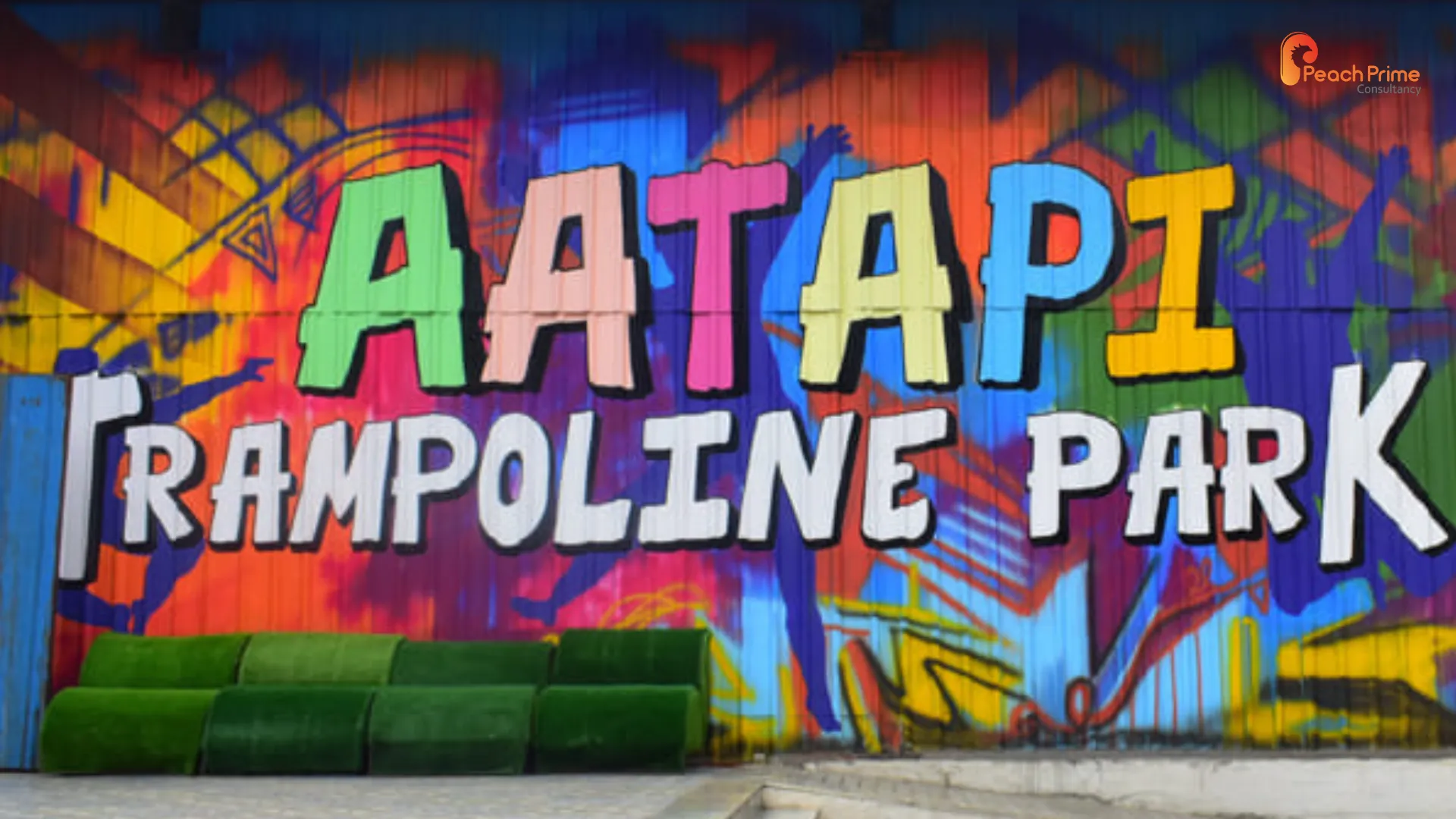
Yes. Many destinations combine multiple leisure typologies to extend visitor dwell time and broaden the audience. Peach Prime can integrate a water park, an adventure park, or a trampoline park into the theme park master plan, ensuring each component shares the overall theme narrative, visitor flow, and operational infrastructure rather than functioning as a disconnected add on.